Energy Efficiency and Sustainability
Energy Efficiency and Sustainability
Energy Efficiency and Sustainability
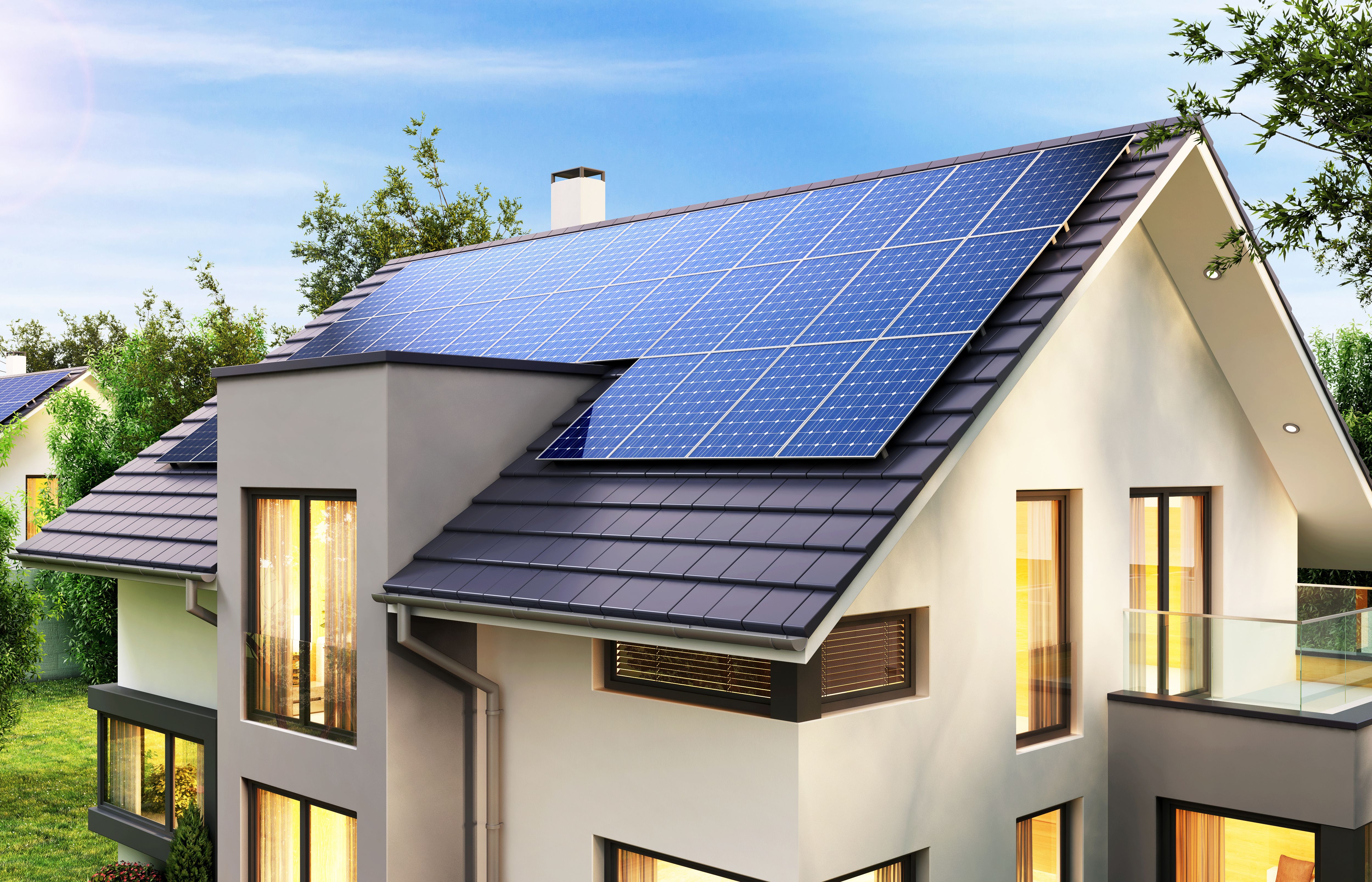
In today's world of construction and architecture, energy efficiency and sustainability have become one of the top priorities in building design. The rapidly growing world population has led to increased energy consumption, depletion of natural resources and increased environmental impacts.

I. Solar Control Systems
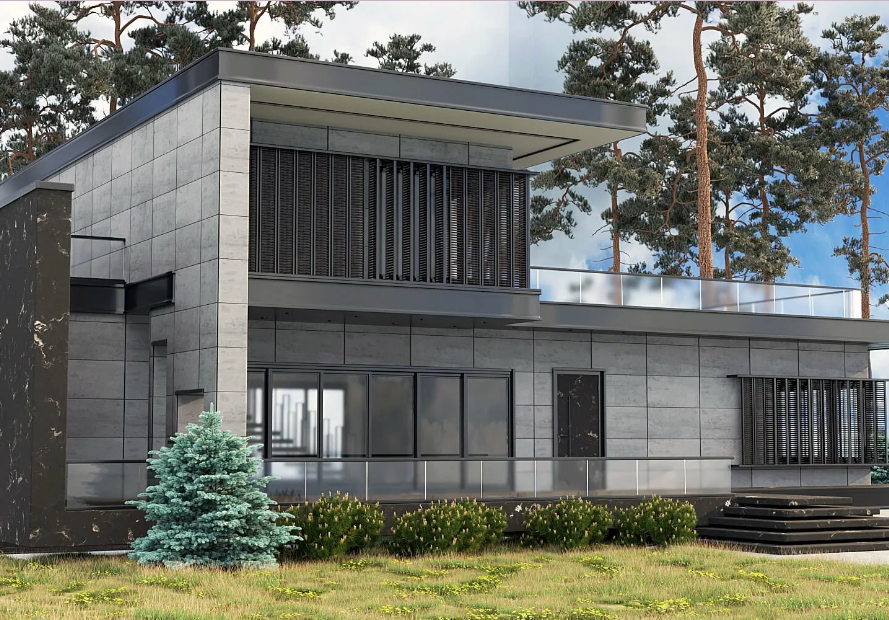
Blocking excessive sunlight significantly reduces the amount of energy spent on cooling interior spaces, especially in the summer months. These systems are especially important in buildings with large glass surfaces and are usually implemented in the following ways.- Solar Filters and Curtain Systems: Film coatings applied to windows or curtain systems used on the exterior facade soften sunlight and prevent overheating of interior spaces. This application reduces the need for cooling in the summer and heating in the winter.
- Screens and Panels: Panels made of aluminum, metal or other materials used on the exterior facade prevent direct sunlight from entering, protecting interior spaces from heating.
- Shading Systems: Sun shading systems used on windows or facades that open to the outside prevent the interior of buildings from overheating. Such systems increase energy efficiency and optimize interior lighting.
II. Smart Facade Systems
Smart facade systems combine technology and structural design, providing modern solutions that optimize the energy efficiency of buildings. These systems allow the building to respond dynamically to environmental conditions with sensors, motors and automatic systems used on the façade surfaces. Smart façades optimize heat, light and air flow according to the needs of the building users.
- Automatic Shading and Opening Systems: Smart facades are equipped with sensors that detect the intensity of sunlight. These sensors can automatically open and close external curtain systems, panels or shading elements to prevent sunlight from entering the interior.
- Thermal Insulation and Glass Technologies: In smart facade systems, the temperature of interior spaces is controlled using today's advanced glass technologies. For example, energy-efficient double glazing does not let in outside heat in the summer, while it does not leak interior heat out in the winter. This type of glass ensures that buildings consume less energy.
- Dynamic Lighting Systems: Smart facades offer optimized solutions on window placement and orientation to maximize daylight. With sensors and smart lighting systems, the use of artificial light is reduced and natural light is allowed to enter efficiently.
Natural Ventilation
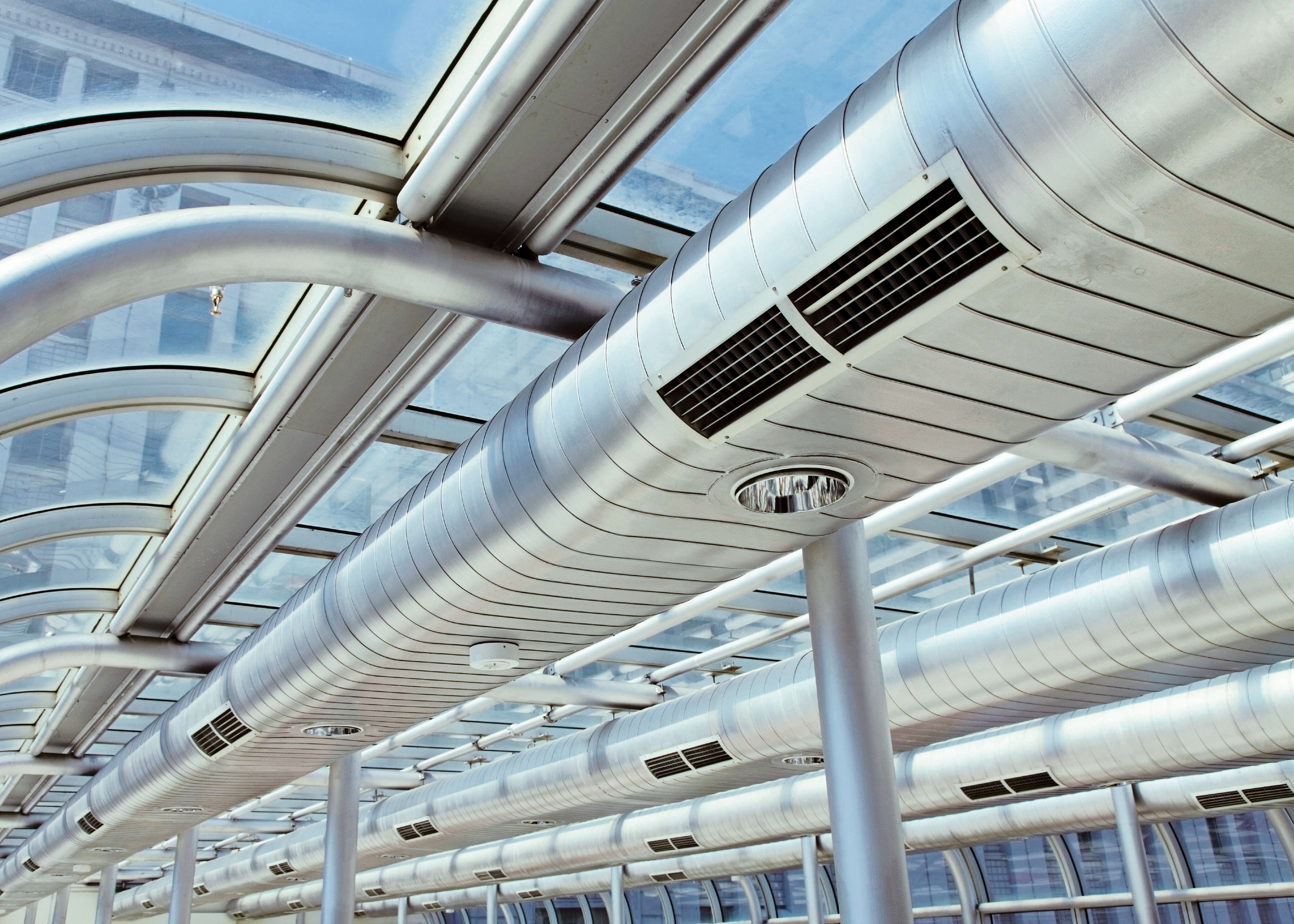
Natural ventilation is the use of external air currents instead of electrical systems to ventilate spaces. Natural ventilation systems provide fresh air to the interior of buildings and remove stale air accumulated in the interior. In this way, energy consumption is reduced because the operating time of electrical devices used for cooling or ventilating the space is reduced.- Two-Way Airflow: The direction of airflow in buildings is usually optimized according to the orientation and layout of the building. Windows or ventilation openings are placed to direct the natural airflow.
- Natural Draught: In tall buildings, ventilation can be achieved using natural draught. This is based on the principle that warm air rises upwards and cold air sinks downwards. This natural process provides ventilation without the need for additional energy use.
Natural Lighting
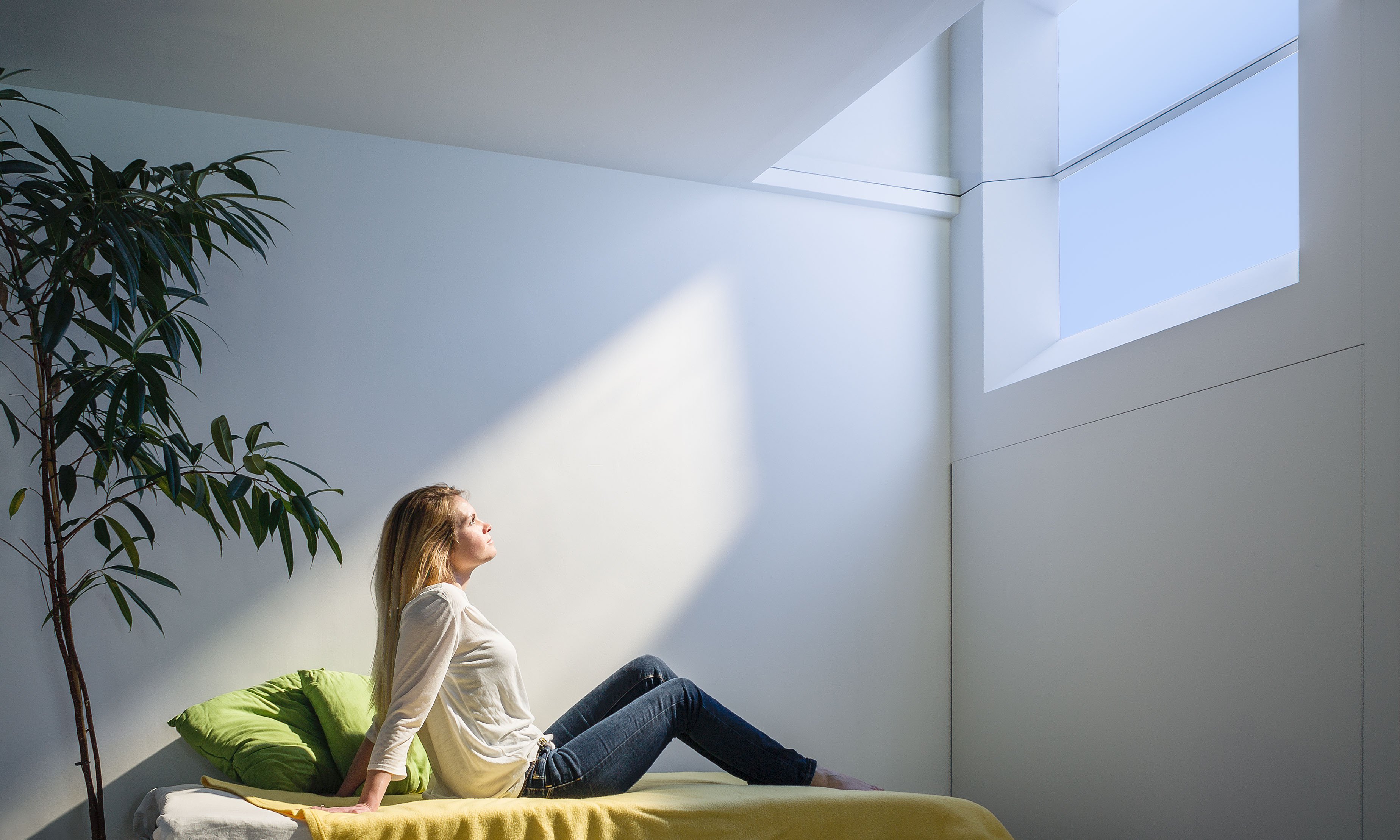
The use of natural light reduces the need for artificial lighting in indoor spaces, increasing energy efficiency. In addition, natural light helps people regulate their biological clock and improves overall quality of life. The following solutions can be used to ensure the effective use of natural light in buildings:
- Window Placement: The orientation of buildings and window placement play an important role in optimizing natural light intake. Window placements are made at the right angle to prevent direct sunlight from entering.
- Lighting Control Systems: Daylight-sensitive sensors automatically adjust the interior lighting. These systems prevent the use of artificial light during hours when daylight is sufficient, saving energy.